
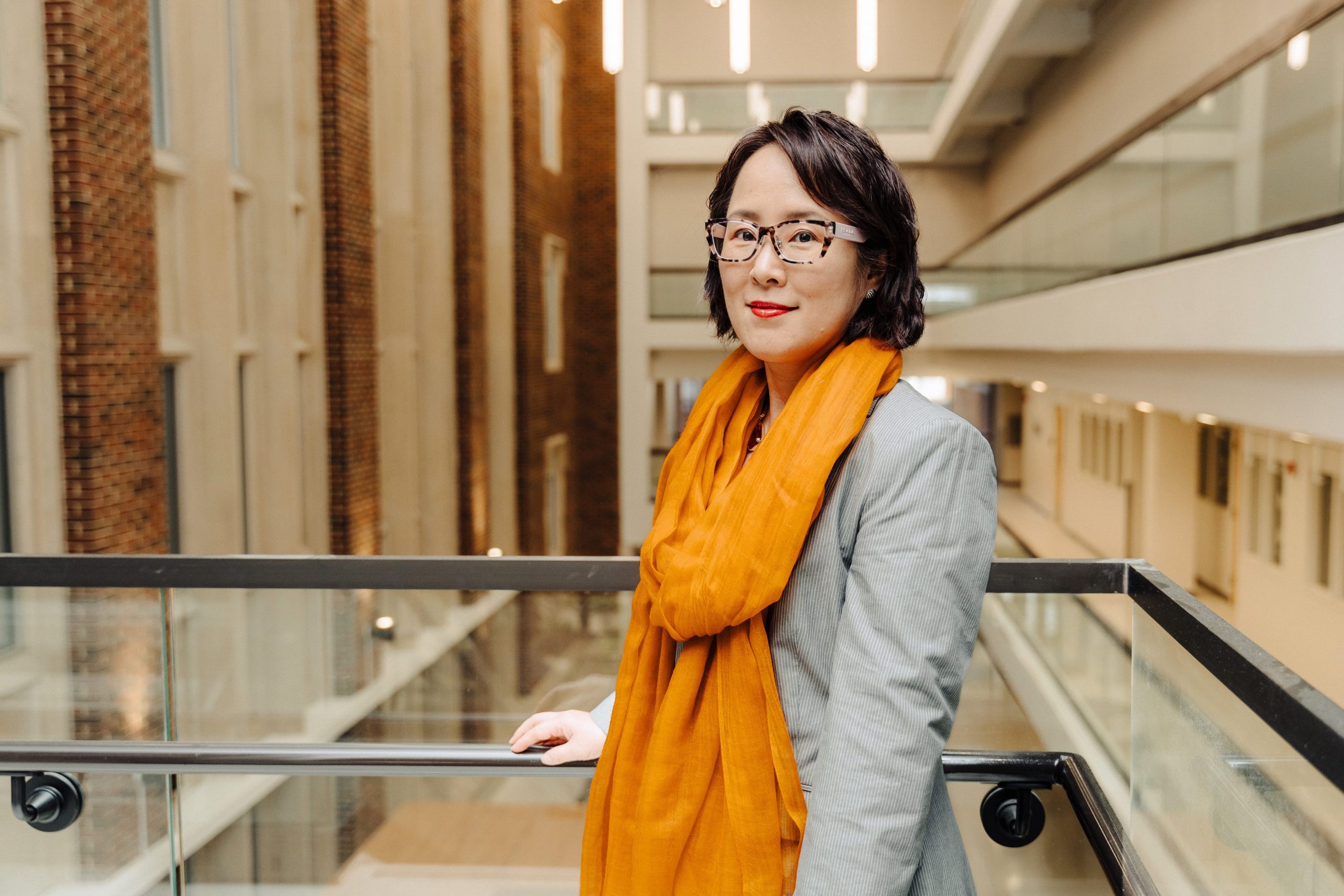
When Hae Won Shin, MD, was a child in South Korea, she spent months in a hospital bed recovering from a congenital heart defect.
“When I was born, I had ASD, atrial septal defect,” she says. “These days, there is a very simple procedure to fix that, but back then, it was not that simple, especially in South Korea.”
That experience gave her an early and lasting exposure to medicine and the power of compassionate care.
“I’ve always wanted to help others, and I realized being a physician is the career that can make the most positive impact on others in the most vulnerable times,” Dr. Shin says. “So that’s why I decided to be a physician.”
Today, as chair of the Department of Neurology and Semmes Murphey Professor of Excellence in Neurology at the University of Tennessee Health Sciences College of Medicine, Dr. Shin is leading a transformation in neurological care in Memphis that she believes will spread throughout the state and beyond.
Dr. Shin’s interest in neurology began with her fascination for piecing together a diagnosis like a puzzle. “Typically, neurology is more of the detective work. You need to put all the pieces together to find the right diagnosis,” she says. “You need to have a clear understanding of the anatomy and network — how all the different parts of the brain, spine, and peripheral nerve and muscle work, and how these are all connected — to find the right diagnosis.”
She specializes in epilepsy, an area she says offers the perfect blend of acute and long-term care. “With epilepsy, we have the acute care aspect of it where we can help the patient in the hospital when they have severe acute seizures, but I can also take care of the patient in the long term to get their seizures under better control, improve their quality of life, and build a relationship,” she says.
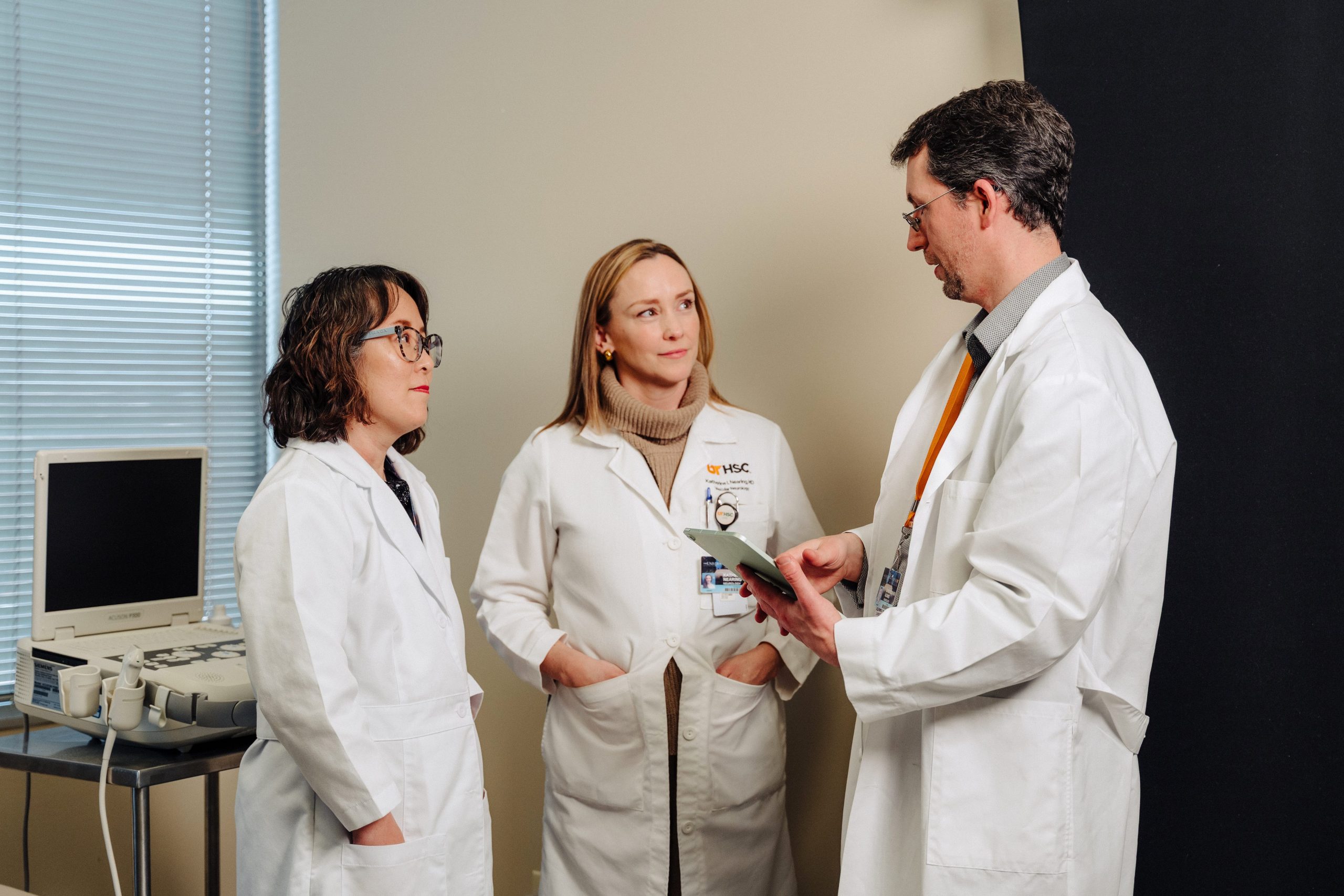
Before joining UT Health Sciences in January 2024, Dr. Shin led advancements in epilepsy care in New Mexico and North Carolina. When she arrived in Memphis, she saw both a challenge and an opportunity to rebuild and expand the department into a comprehensive center for neurological care, research, and education.
“In the past, Memphis had an impressive neurological program and epilepsy surgery until the 1990s. But for the past few decades, some of the subspecialty areas faded away, and it became like a neurology desert other than acute inpatient stroke care,” she says. “Even though we have a world-renowned vascular neurology/stroke program, when I came here, we did not have much other subspecialty neurology programs.”
Dr. Shin’s goal has been to build the department’s subspecialties, including epilepsy, movement disorders, neuroimmunology/multiple sclerosis, and neuromuscular care, as well as further strengthen the stroke and neurocritical care program.
“That’s why I came here, and that was my vision, to build a comprehensive neurological program through the University of Tennessee Health Sciences by collaborating with our health care partners: Methodist Le Bonheur Healthcare, Regional One Health, and Baptist Memorial Health Care,” she says.
“To our patients today, I can confidently say that whatever neurological problem they have, they will get the best, most advanced care by our neurology team.”
Hae Won Shin, MD
The Department of Neurology has grown to approximately 40 faculty members who care for patients across subspecialties at all three partner hospitals. According to Dr. Shin, the people are the department’s greatest strength.
“We have amazing faculty, staff, and trainees, who are dedicated to providing the best care possible and advancing the science. Many of them are well-known, well-respected leaders in the field,” she says. “As a leader, I strongly believe that I need to serve people. I’m not here to tell people what to do; I’m here to serve and help people succeed. When they succeed, all of us will be in a better place.”
Education is also a cornerstone of Dr. Shin’s vision. In addition to training residents, the department engages with medical students, college students, and high school students to create a pipeline to neurology and address a looming shortage of health care providers.
For Dr. Shin, the impact of her work is most powerfully felt in the lives of her patients. She recalls a young woman with epilepsy whose life was transformed by surgery.
“She started developing epilepsy in high school. Because she was having multiple seizures a day, she could not do much after graduating. She became house-bound, and her family had to take care of her,” Dr. Shin says. “After surgery, she became seizure free and got her life back. She was able to go to college, then she earned her master’s degree. She was able to have a career while also raising a family. So, when I see a patient like that, I feel fortunate to be part of her journey and be able to help her. That just gives me a lot of gratitude and joy to be a doctor.”
With a continued focus on patient care, Dr. Shin is excited to continue leading advancements that will reach beyond Memphis. She is quick to credit her team, saying, “To our patients today, I can confidently say that whatever neurological problem they have, they will get the best, most advanced care by our neurology team.”
As she looks to the future, Dr. Shin hopes the work she is doing today will serve as a foundation for years to come.
“I want to be the first leader in neurology to build up the everlasting, sustainable, most advanced neurological program in Tennessee,” she says. “Hopefully, we’ll build a good infrastructure and foundation so future leaders can come and build upon it more. I want UT Health Sciences to have a comprehensive neuroscience program that serves patients not just here in Memphis, but from all over the state and beyond, through the most advanced clinical care, cutting edge research, and innovative education.”
This story was originally featured in the winter 2026 issue of the College of Medicine Magazine.