
The National Cancer Institute has awarded the University of Tennessee Health Sciences a $2.65 million K12 grant to launch a Career Development Program in Clinical Oncology, a five-year initiative that will train early-career physicians to become independent clinical cancer researchers. It is the first K12 training grant ever awarded to a UT System institution, built on a partnership between UT Health Sciences, St. Jude Children’s Research Hospital and the University of Memphis.
The program is led by three members of the UT Health Sciences Center for Cancer Research: Jay Fowke, PhD, chief of the Division of Epidemiology and professor in the Department of Preventive Medicine; Neil Hayes, MD, Harriet S. Van Vleet Endowed Professor in Medical Oncology and director of the Center for Cancer Research; and Ramesh Narayanan, PhD, professor and Muirhead Chair of Excellence in the Division of Medical Hematology and Oncology, deputy director of the Center for Cancer Research and assistant dean of Research in the College of Medicine. They are joined by collaborating faculty from St. Jude and the University of Memphis.
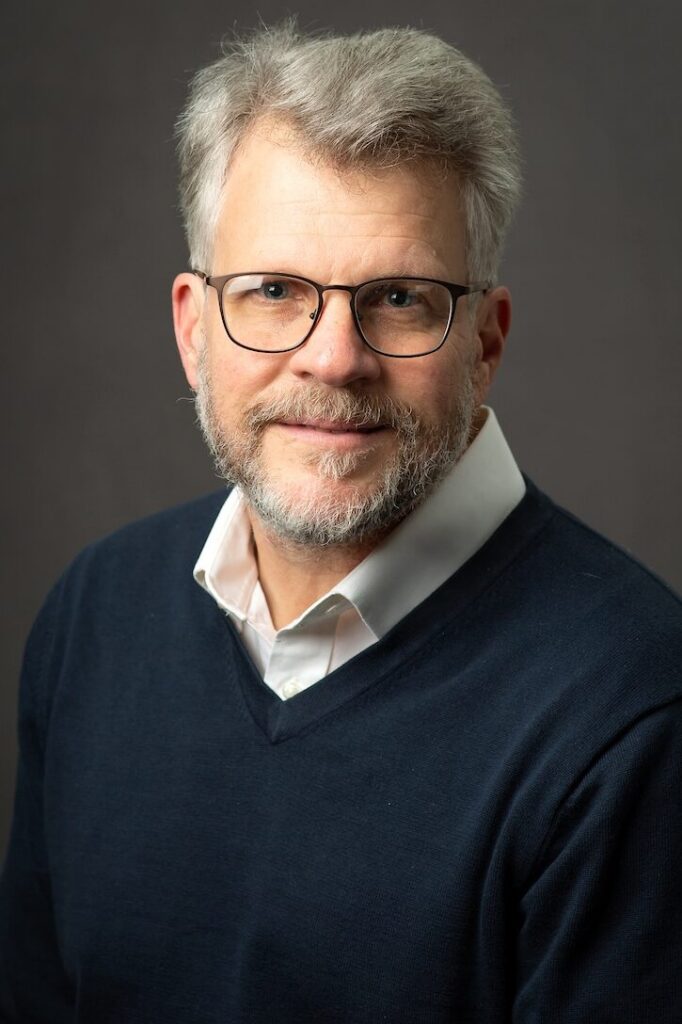

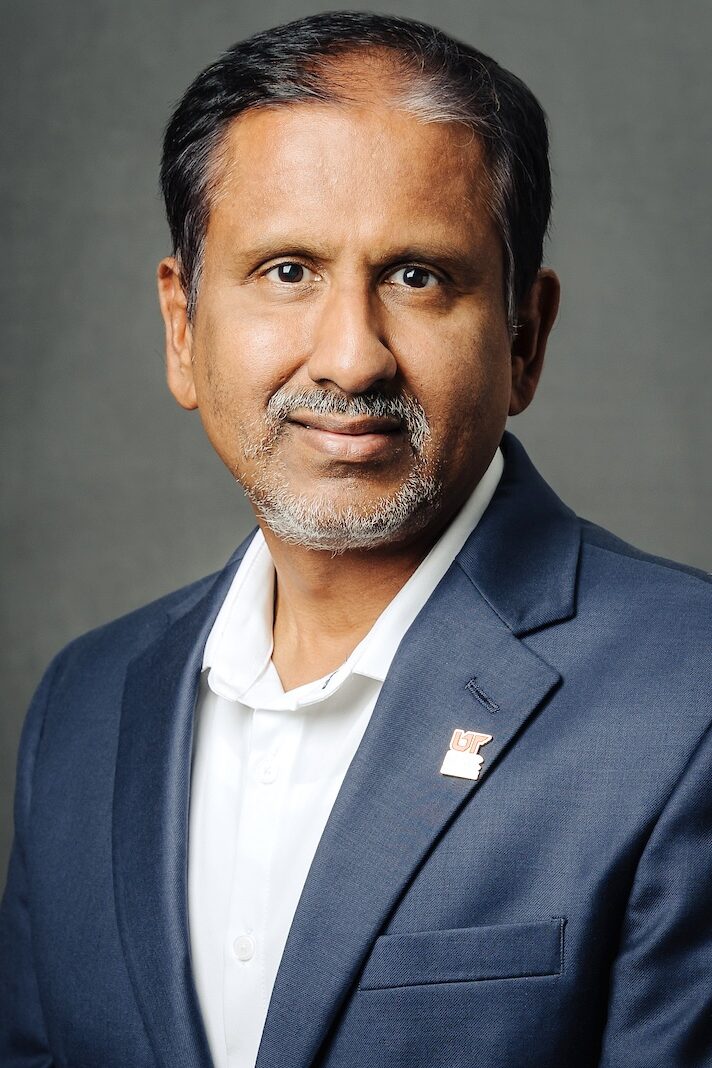
According to Dr. Hayes, the grant answers a question that has long shadowed cancer research in this part of the country. “Who’s studying cancer in Tennessee, specifically in the Mid-South and Appalachia, two of the country’s biggest cancer hotspots? If not researchers at UT Health Sciences, who else would it be?”
Building Cancer Research Capacity for Communities That Need It Most
With campuses across Tennessee, UT Health Sciences sits at the center of a seven-state patient catchment area in the Mid-South that faces some of the highest cancer health disparities in the country, with low-income, minority and underserved populations bearing a disproportionate burden. The new K12 program is designed to build a pipeline of clinical cancer researchers equipped to tackle that challenge, training scholars to address individual risk factors alongside the social determinants of health that drive persistently high cancer rates across the region.
Over the life of the grant, the program will support approximately six scholars as they work toward independence as clinical cancer researchers. The training combines:
- Foundational, competency-based coursework in research methods, clinical trial design, informatics, research ethics and regulatory practice.
- Mentored research experience, pairing scholars with established investigators to build collaborations and generate the preliminary data needed for future grant funding.
- A 10-week mentored grant-writing boot camp, along with mock grant reviews, IRB submission training, Responsible Conduct of Research training and Good Clinical Practices certification.
- Exposure to entrepreneurship and small business development, including access to UT Health Sciences’ big-data resources, such as a pediatric genetic and data repository, and connections to industry partners to help accelerate the path from discovery to intellectual property and, ultimately, new therapies.
Each scholar will develop an individualized career development plan aimed at innovative approaches to cancer and cancer disparities in the Mid-South, with team science woven throughout the program as scholars work to integrate basic, translational, clinical and community-based research. Success will be measured not just in publications and grant applications, but in the growth of a durable research community. Scholars are encouraged to stay engaged in K12 writing groups and programmatic activities even after their structured training ends, continuing to build momentum toward research independence.
A Marker of Excellence, Not Just Funding
K12 awards are a distinct category of grant from the National Institutes of Health. Rather than funding a single research project, they fund an institution’s capacity to train physician-scientists, providing protected time, mentorship and career development support to help junior faculty become independent researchers.
Because K12s are awarded to the institution rather than an individual investigator, they are highly competitive. An institution must prove through peer review that it already has the mentors and infrastructure to produce successful researchers before it can even compete for one. For an institution that has never held one, winning a K12 is less a starting point than a credential.
“This award is possible because of the exceptional cancer researchers already working across UT Health Sciences and with our partners,” said Jessica Snowden, MD, vice chancellor for Research. “Their work spans the full continuum from discovering new treatments to using artificial intelligence and other data tools to understand where cancer risk is greatest and connect people with the care they need. By preparing the next generation of physician-scientists within that environment, we are strengthening our ability to ensure that every Tennessean can benefit from cutting-edge cancer research and care.”
A Reason to Stay and a Reason to Come
Beyond training the scholars already at UT Health Sciences, the grant is expected to help the institution compete for new talent in a field where rising physician-scientists have no shortage of options.
“A talented junior researcher who’s already gone through extensive training has options. They could go to Michigan, Yale or elsewhere,” Dr. Fowke said. “Having this program here gives them confidence they can build a research career without leaving for San Francisco or Los Angeles. They can do it here instead, whether that’s a native Tennessean staying home or someone from elsewhere who wouldn’t have considered us otherwise, now drawn by knowing this platform exists to support their career.”
That recruiting power extends beyond the six scholars the program will directly fund. A structured, externally validated pathway to research independence sends a signal to the broader field that UT Health Sciences is investing seriously in the long-term careers of the physician-scientists who choose to build their careers here.
“Cancer is a complex disease, and it requires research-minded oncologists to translate their bench findings to bedside and vice versa,” said Dr. Narayanan. “This K12 grant will accomplish exactly that. By providing research training to the next generation of oncologists, on top of the intense clinical experience they already receive, the program will help deliver better outcomes for cancer patients in Tennessee and across the country.”
Building Toward What’s Next
The K12 award strengthens a growing cancer research enterprise at UT Health Sciences by creating a sustainable pathway for developing physician-scientists and connecting them with experienced mentors, institutional resources and collaborators across Tennessee. It also complements broader efforts to expand the infrastructure, partnerships and statewide research capacity needed to translate discovery into better cancer prevention, diagnosis, treatment and care.
That work is already extending beyond this individual award. UT Health Sciences is participating in a collaborative Clinical and Translational Science Award application with Vanderbilt University, building on the complementary strengths of institutions across the state, as well joining statewide and regional AI collaborative efforts. Together, these efforts position UT Health Sciences to develop research talent, compete for additional national investment and ensure that scientific advances reach patients and communities throughout Tennessee.