
Dr. Sara Day developed a passion for the care of patients with sickle cell disease when she was a young nurse at St. Jude Children’s Research Hospital. She has transformed that passion into education, garnering nearly $900,000 in grant funding over the last five years to teach other nurses how to care for sickle cell patients in her role as assistant dean of the Center for Community and Global Partnerships at the University of Tennessee Health Sciences College of Nursing.
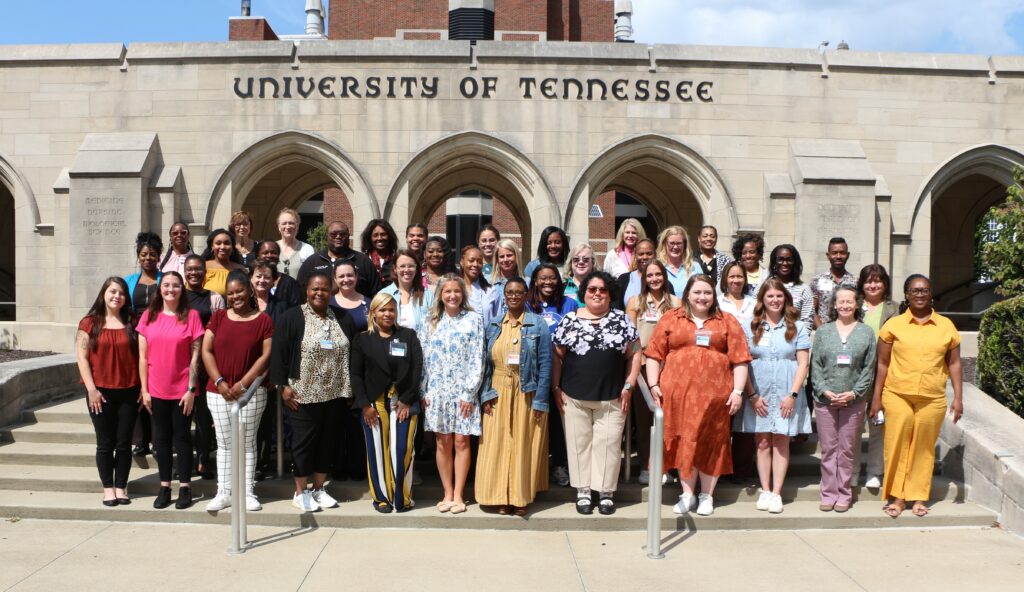
The College of Nursing welcomes its ninth cohort of nurses to the Sickle Cell Boot Camp for Nursing Excellence Sept. 21-25. The program is a collaboration between UT Health Sciences, St. Jude Children’s Research Hospital, and the International Association of Sickle Cell Nurses and Professional Associates. The upcoming boot camp will bring the number of nurses trained through the weeklong program to nearly 300. The boot camps have been funded by four grants awarded to the College of Nursing and institutional support provided by St. Jude Children’s Research Hospital.
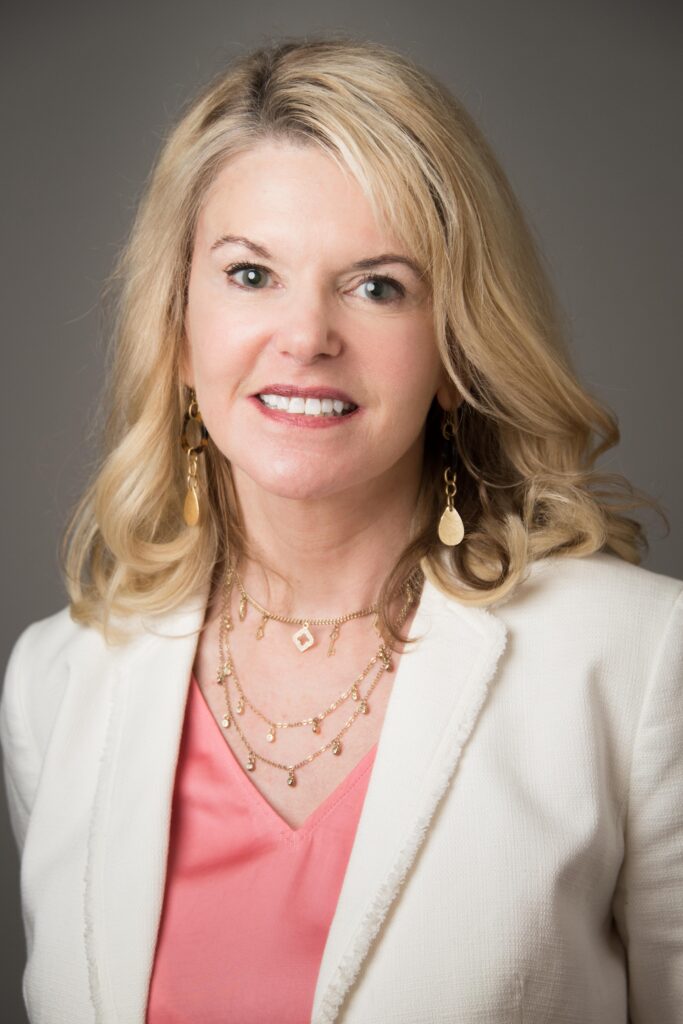
“Sickle cell disease can cause life-threatening complications and premature death,” said Sarah Day, PhD, RN, FAAN. “Also health disparities contribute to poorer outcomes, particularly among African Americans and underserved populations. Specialized provider education enables early recognition, timely treatment, and better outcomes and is the first step to overcoming health disparities.”
Sickle cell disease is an inherited blood disorder that affects about 100,000 people in the United States, including 6,000 in the Mississippi Delta region. Among newborn births screened, Mississippi has the second-highest incidence of sickle cell disease among infants in the country. People of African descent make up 90% of the population with sickle cell disease in the nation.
Dr. Day received her most recent grant for sickle cell education — a two-year, $359,964 award from the U.S. Department of Agriculture (USDA) — in August. The grant will fund sickle cell education and training for healthcare teams on site at hospitals in the Delta. The program is expected to educate 260-300 providers and community health workers over two years through outreach efforts including a conference, a two-day boot camp, workshops and emergency department trainings.
This grant will build upon the sickle cell education provided in recent years through a USDA grant awarded in 2023 for $364,502. That grant funded a sickle cell provider conference, emergency department workshops and two sickle cell nursing boot camps. Thanks to both USDA grants, approximately 548 additional healthcare providers and community health workers will receive specialized training in caring for sickle cell patients. This is above and beyond the nearly 300 nurses trained in the sickle cell nursing boot camps.
Partnering for Better Care from Birth
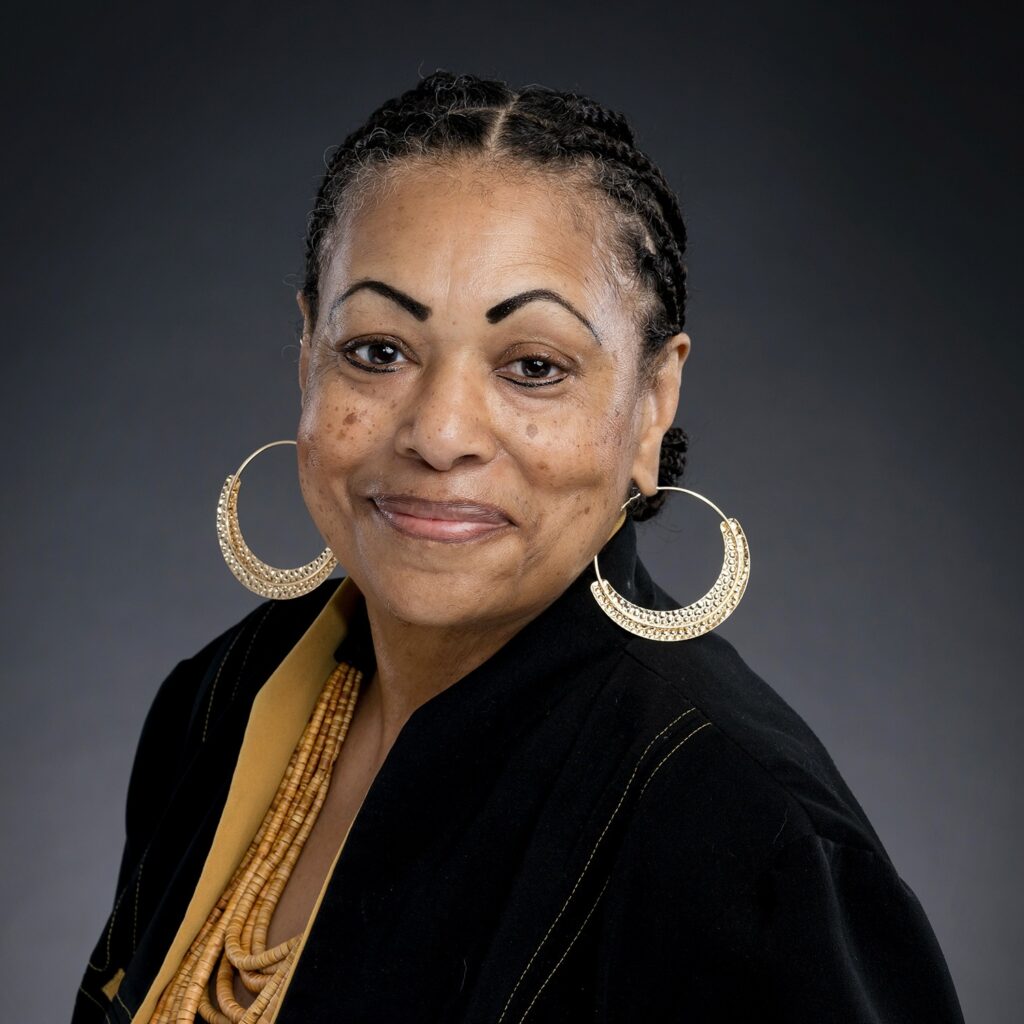
Yvonne Carroll, JD, RN, director of Educational Outreach in the Department of Hematology at St. Jude, served as co-investigator on the first USDA grant and will continue as an investigator on the newest USDA grant. She was also co-investigator on the grants that initially helped to pilot the sickle cell boot camp.
“Education about sickle cell disease equips healthcare providers with the knowledge to recognize complications early, to understand the lived experience of people with sickle cell disease and to provide care that is culturally competent, compassionate and responsive to patients’ individual needs,” Carroll said.
Dr. Day’s work involving children with sickle cell disease has been an integral part of her career. In the year that newborn screening for sickle cell disease was implemented nationally, she developed one of the first multi-phased education programs to support parents of infants with the disease. Program outcomes included an excellent retention rate and a significant decrease in the rate of pneumococcal sepsis, the leading cause of death among young children with sickle cell disease. The program was replicated nationally and globally.
“When I started in nursing, we would do home visits for our sickle cell patients and follow them from birth to when they transitioned to adult care,” she said. “I got very close to their families and still see some of them.”
Dr. Day was recognized for her contributions to pioneering nursing programs and models to improve the care of children with sickle cell disease and cancer with her induction into the International Nurse Researcher Hall of Fame in 2022.
Recent Sickle Cell Education Grants at a Glance
*Dr. Sara Day, principal investigator
2021: $50,000 from Global Blood Therapeutics, Inc.
2022: $100,000 from Global Blood Therapeutics, Inc.
2023: $364,502 from the U.S. Department of Agriculture
2026: $359,964 from the U.S. Department of Agriculture